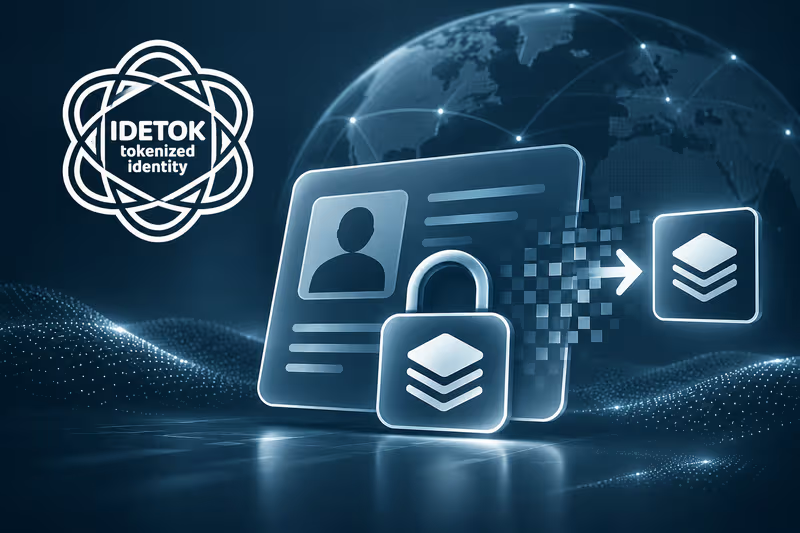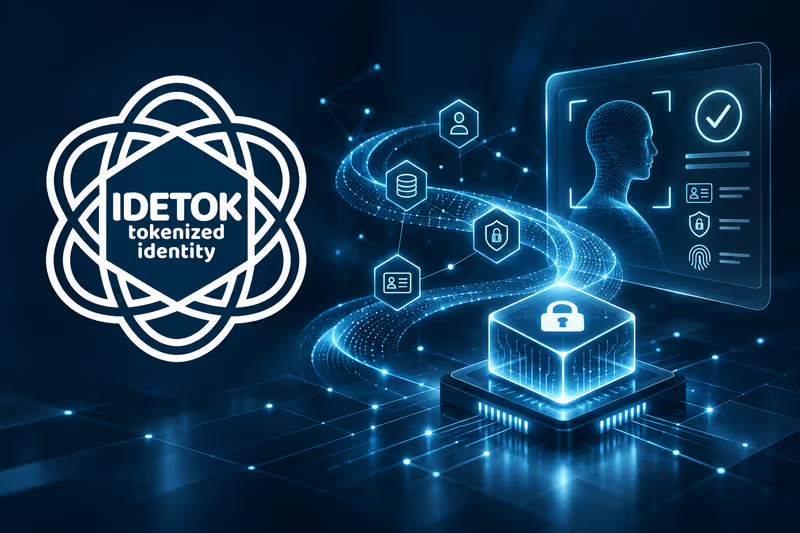
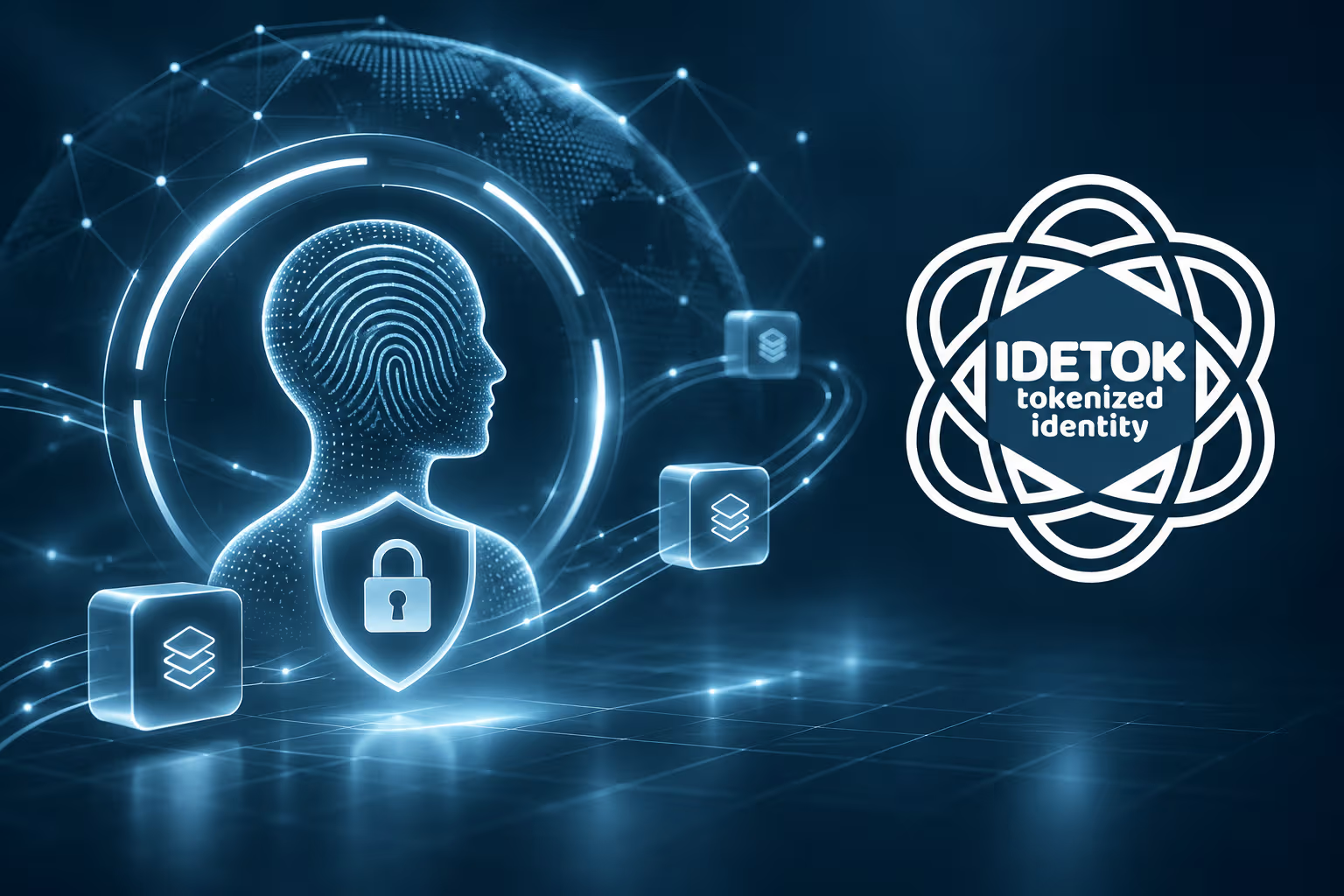
The digital economy is changing how people communicate, invest, conduct business, and access financial services. As more activities move online, secure digital identity becomes essential for establishing trust between individuals, companies, and institutions. Tokenized identity offers a modern approach by using digital tokens to represent identity information without unnecessarily exposing sensitive personal data.
Identity Is the Foundation of Digital Trust
Every digital service begins with a simple question: who is on the other side? Banks, marketplaces, employers, healthcare providers and public institutions all need a reliable answer before they can offer services, sign contracts or move value. As more of the economy moves online, identity stops being a formality and becomes the infrastructure that every other interaction depends on.
Today, that infrastructure is fragmented. People create dozens of accounts, upload the same documents again and again, and leave copies of their personal data in many databases they no longer control.
The Cost of Oversharing
Traditional identity checks often collect far more information than a service actually needs. To prove that you are an adult, you may hand over your full date of birth, address and document number. Each copy stored by a service provider increases the risk of data breaches, identity theft and fraud.
For organizations, storing this data is also a burden: it must be protected, audited and handled in line with regulations such as the GDPR.
How Tokenization Changes the Model
Tokenized identity replaces sensitive identifiers with digital tokens that only have meaning inside a protected system. Instead of sharing the original data, a person or a service can present a token that confirms a verified fact – for example that an account belongs to a verified customer or that a person meets an age requirement.
The original information stays with a trusted identity provider under strict access control. The receiving service gets what it needs to decide, not a full copy of someone's identity.
What It Means for People
- Less exposure: fewer copies of personal documents spread across the internet.
- More control: the ability to decide which attributes are shared, with whom and for how long.
- Faster access: reusable verification instead of repeating the same onboarding for every new service.
What It Means for Businesses
- Lower risk: a stolen token is far less valuable than a stolen identity record, especially when tokens are limited in scope and time.
- Simpler compliance: collecting only the necessary data supports the principle of data minimization.
- Better customer experience: secure onboarding without long forms and document uploads.
Identity Across the Tokenized Economy
As assets, payments, media and services become tokenized, identity has to work across platforms. A verified identity that can be referenced securely – without being copied – allows different services to trust each other while respecting the privacy of the people who use them.
Tokenization alone does not solve every problem. It must be combined with reliable identity verification, strong cryptographic authentication, fraud detection and transparent governance. Together, these elements form the basis of trusted identity for the digital economy.
IDETOK explores how tokenized identity can make digital life safer, simpler and more respectful of personal privacy.