Digital identity is becoming an essential part of everyday life. From online banking and digital payments to healthcare and government services, individuals increasingly need secure ways to prove who they are. Tokenized identity introduces a modern approach that reduces unnecessary exposure of sensitive personal information while supporting trusted interactions across the digital economy.
What Is Identity Tokenization?
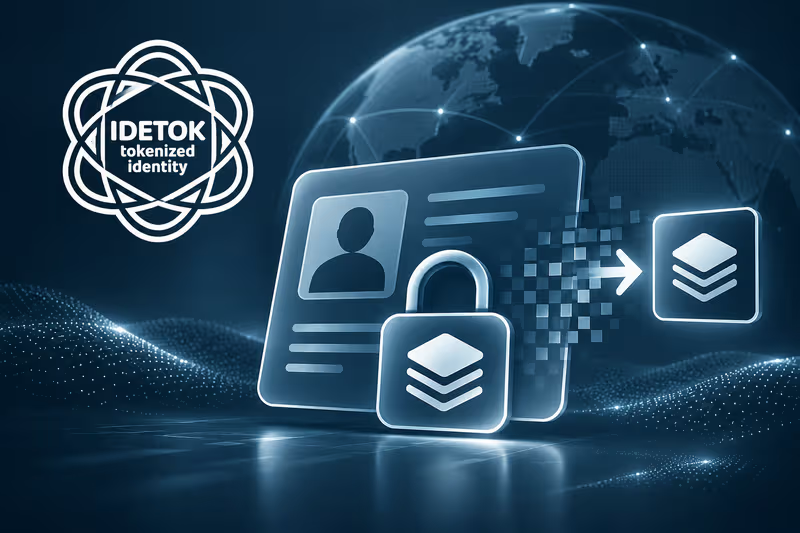
Identity tokenization replaces sensitive personal identifiers with digital tokens that can be used within secure systems. Instead of repeatedly sharing identification numbers, dates of birth, or personal documents, users can rely on tokenized references linked to verified identity information. Depending on the system, tokens can support authentication, identity verification, and controlled access to digital services without revealing the original data.
The Role of Digital Tokens
Digital tokens can represent identity references, access permissions, or verified attributes within an identity management system. Unlike financial tokens representing assets or economic value, identity tokens primarily support identification and authorization. Their use can help businesses and institutions establish trust, simplify verification procedures, and reduce unnecessary duplication of personal data across interconnected platforms.
Benefits and Possibilities
Tokenized identity creates opportunities for stronger privacy protection, more efficient digital onboarding, and secure access to online services. Financial institutions can use tokenized identifiers in customer management, healthcare providers can protect patient references, and digital platforms can support privacy-conscious verification. Combined with digital wallets and verifiable credentials, these technologies can also give individuals greater control over the information they share.
Challenges to Consider
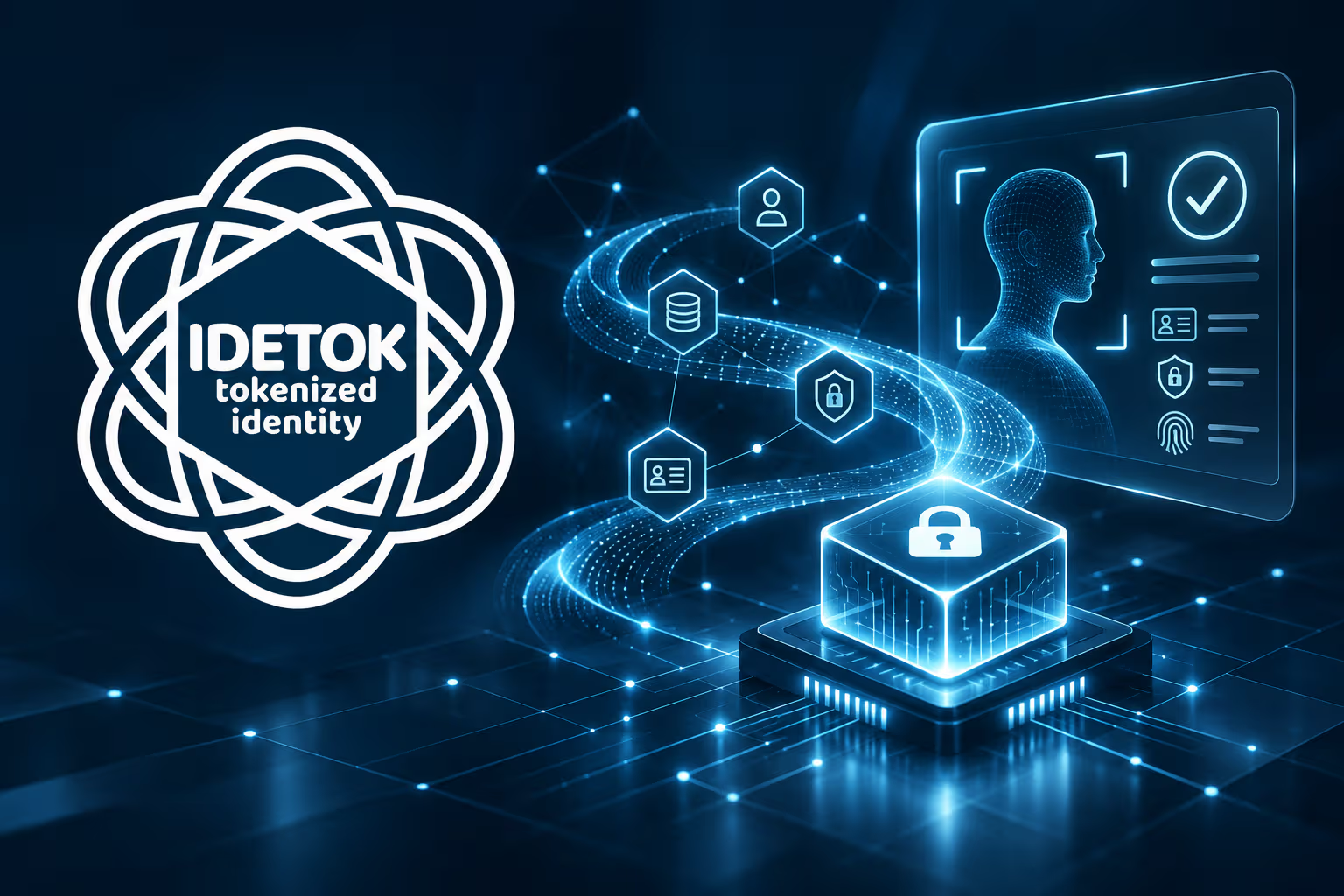
Identity tokenization also introduces important technical and regulatory challenges. Tokens must be securely generated, stored, validated, and protected against unauthorized use. Organizations must consider interoperability, cybersecurity, data protection regulations, and the risk of linking tokens to identifiable individuals. Effective identity systems require strong security architecture, transparent governance, and reliable verification procedures.
Explore the Possibilities
The future of tokenized identity is closely connected to the development of the digital economy. As financial services, artificial intelligence, digital commerce, and public administration become increasingly interconnected, secure identity verification will play a central role in establishing digital trust. Tokenization offers opportunities to create safer, more efficient, and privacy-focused systems that connect individuals and organizations without unnecessarily exposing personal information. IDETOK explores these developments and the growing importance of digital identity in a connected world.